0%

A Custom Bikini can look flawless in a product photo and still fit poorly in real life. For global buyers, good sourcing starts with clear measurements, fabric details, and realistic production expectations. This guide explores ten practical buying tips, from checking size charts and lining to reviewing color consistency and sample quality. Small details matter. A strap that twists or a cup seam that rubs can change the whole experience.

To avoid inventing a real person’s endorsement, this guide uses a clearly illustrative expert voice: fictional swimwear product-development adviser Maya Chen says, “A reliable bikini begins with a clear fit brief, not a beautiful sketch.” Her point is simple: share intended measurements, support level, fabric weight, and construction details before approving a sample. Ask how the design may change across sizes. Check stitching, elastic recovery, and how the material feels when wet. These checks are useful, though they cannot replace testing samples on your intended customer profile.

Buyers should also confirm minimum order quantities, lead times, packaging details, and inspection steps in writing. Request updated samples when key specifications change. Keep notes; memory is a poor quality-control system. Some choices may still need revision after wear testing, and that is worth admitting early. The tips ahead help buyers ask sharper questions, compare suppliers more fairly, and make decisions grounded in evidence rather than polished promises.
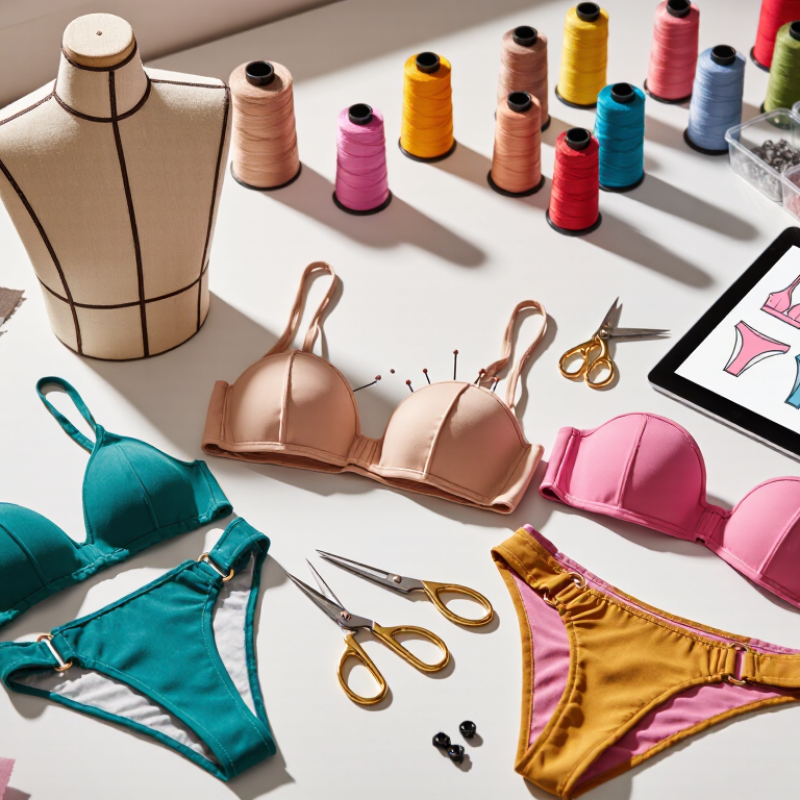
10 Custom Bikini Buying Tips for Global Buyers

Define Your Market, Customer Profile, and Bikini Requirements

Before requesting samples, define the market you plan to serve. A bikini for a resort shop may need different coverage, colors, and price points than one for everyday swimming. Review local climate, shopping habits, and customer feedback rather than relying on broad regional assumptions. Small details matter. Is your buyer seeking high-waisted bottoms, adjustable straps, or fuller bust support? Record the intended age range, size range, preferred fit, and typical use.

Turn that customer profile into measurable product requirements. Specify fabric composition, lining, color references, hardware, stitching, and size measurements in a clear product brief. For example, note whether the fabric should feel matte or glossy, and how much stretch you expect after repeated wear. Ask for a size chart with garment measurements, not only general size labels. Sizing expectations can differ between markets. Even a careful chart may need revision after a real fit test.

Request samples in more than one size and check them on different body shapes. Try the suit in and out of water, then inspect opacity, seam comfort, strap stability, and drying time. Keep written comments with photos and exact measurements, so a supplier can act on specific changes. A sample may look excellent on a hanger but feel restrictive when moving. That mismatch is easy to overlook, and worth acknowledging before confirming a larger order.

Choose Suitable Fabrics, Sizes, and Fit Options

A bikini fabric should match how customers plan to wear it. For frequent pool use, compare chlorine-resistant blends and check whether the fabric recovers after stretching. For beachwear, a soft lining and quick-drying construction may matter more. Feel a sample when possible: thin fabric can become less supportive when wet. Color swatches help, but they cannot show how a fabric behaves on the body.

Sizing needs more than a standard S, M, or L label. Ask suppliers for garment measurements and the body measurements used to create each size. Compare bust, waist, and hip ranges with your customer data. Size grading differs between markets, so a familiar label may still fit differently. Measure a sample flat, then try it on. Small discrepancies happen, and one sample is not a perfect forecast.

Fit options can make the same design work for more body shapes. Adjustable shoulder straps, removable cups, and tie sides allow modest changes without adding many sizes. Check that sliders stay secure and seams lie flat after movement. A high-cut leg may suit some customers but feel exposed to others. It is easy to overestimate what a product photo tells you. Request fit notes from wear testers, and record where fabric pulls, gaps, or shifts. Those details make size charts more useful.

Evaluate Customization, Construction, and Quality Standards

When evaluating custom swimwear, turn preferences into measurable specifications. Share a size range, coverage targets, fabric composition, lining needs, and color references. A flat sketch helps, but include close-up notes for straps, seams, and hardware. Small details matter. Ask whether the supplier can provide a sample in the intended fabric, not merely a similar substitute. Colors can shift between digital images and dyed material, so approve a physical swatch under natural light.

Check construction where movement creates stress. Pull gently at strap joins and leg openings, then inspect stitching for skipped stitches or loose threads. For lined styles, confirm that the lining lies flat and does not show through when wet. Elastic should recover after stretching, though recovery can vary by fabric and finish. A prototype may look polished on a hanger yet twist during swimming. That gap is easy to miss.

Request written tolerances for measurements, color matching, and acceptable defects. Ask how fabric weight, stretch, and colorfastness are tested, and whether test results apply to the exact production material. Keep an approved sample for comparison when bulk pieces arrive. Inspection methods are not perfect; lighting and measuring technique can affect results. Record issues with photos and measurements, then agree on practical correction steps before placing a larger order.

Verify Supplier Capabilities, Certifications, and Production Terms

Before ordering custom bikinis, ask the supplier who will make the garments and where production takes place. Request recent photos or a live video of sewing lines, cutting tables, and inspection stations. Then compare the factory’s stated capacity with your order size and delivery window. A sample is useful, but it does not prove bulk consistency. Ask how fabric stretch, lining coverage, and seam strength are checked across a full run. Small details matter.

Treat certification claims as items to verify, not proof by themselves. Ask for current documents, the issuing organization, and the exact facility or product scope they cover. Where possible, confirm details with the issuer. For fabric or colorfastness test reports, check that the tested material matches your chosen fabric and color. A report for a similar item may not apply. That distinction is easy to miss.

Put production terms in writing before paying a deposit. Confirm the sample approval process, minimum order quantity, production timeline, payment milestones, and rules for design changes. Agree on how shortages, defects, or late shipments will be handled, and who pays for rework. Ask whether fabric substitutions require your approval. I have seen timelines slip when approvals were left vague; even clear terms cannot prevent every delay, but they make problems easier to address.

10 Custom Bikini Buying Tips for Global Buyers - Verify Supplier Capabilities, Certifications, and Production Terms

# Buying Tip What to Verify Useful Evidence or Terms
1 Assess product-specific experience Confirm the supplier has made comparable swimwear, including the construction details your design requires. Request anonymized examples or samples showing lining, elastic application, seams, closures, and finishing.
2 Check production capacity Ask about available lines, monthly capacity, peak-season constraints, and how capacity is allocated to your order. Get a written capacity estimate for the requested styles, quantities, and delivery window.
3 Approve fabric and trim specifications Specify fiber content, fabric weight, stretch and recovery, lining, color, and trim requirements. Approve a physical swatch and record the specification, color reference, and any agreed test requirements.
4 Review relevant certifications Check whether certifications match the specific material, facility, product claim, and destination-market requirements. Verify current documents and their scope. Examples include ISO 9001 for a quality management system, OEKO-TEX Standard 100 for tested textile articles, or GRS for qualifying recycled-content claims and chain of custody. Applicability depends on the order and claim.
5 Set measurable quality standards Agree on size tolerances, workmanship criteria, color approval, labeling, and inspection stages before bulk production. Use an approved sample, written measurement chart, defect definitions, and a mutually agreed inspection plan.
6 Confirm sampling and revisions Clarify sample types, sample fees, revision limits, approval deadlines, and whether sample costs are credited to production. Record the number of sample rounds and require written approval of the final pre-production sample.
7 Negotiate MOQ and size assortment Establish minimum order quantities per style, color, and fabric, plus the permitted size breakdown. Request a written quotation showing quantity breaks, any small-order surcharge, and the approved size ratio.
8 Put the production schedule in writing Separate sample, material procurement, bulk production, inspection, and dispatch timelines; confirm when the clock starts. Document approval and deposit milestones, holiday or peak-season risks, and the process for reporting delays.
9 Define price, payment, and trade terms Clarify what the price includes, the payment schedule, currency, packaging charges, and responsibility for freight and import costs. State the agreed Incoterms® rule and named place in the contract or purchase order; do not rely on an undefined shipping term.
10 Confirm compliance, labeling, and remedies Check destination-specific requirements for fiber-content and care labels, product safety, packaging, and any restricted substances. Assign responsibility for testing and documentation, and agree on the process for shortages, defects, rework, or other nonconforming goods.

Requirements vary by product, claim, and destination market. Confirm applicable regulations and certification scope before placing an order.

Review Samples, Costs, Lead Times, and International Shipping

Before approving a custom bikini order, request a sample in the intended fabric, lining, and hardware. Check the fit while moving, not only while standing still. Note whether straps dig in, seams twist, or the lining becomes sheer when wet. Compare the sample with your size chart and confirm color under daylight; screen images can be misleading. A sample is useful, but it cannot reveal every production issue. Keep written notes and photos. Small details matter.

Ask for an itemized quote covering sampling, unit prices, packaging, and any setup charges. Confirm how prices change with order quantity, and whether revisions affect the cost. Get a production timeline that includes sample approval, fabric availability, sewing, and packing. Build in time for corrections; delays happen. For international shipping, request the method, estimated transit time, tracking, and insurance options. Clarify who arranges export documents and pays import duties or local fees. These costs can vary by destination, so verify them with your shipping provider or customs broker before placing the order. A neat spreadsheet helps, though mine never stays neat for long.

FAQS

What should I define before requesting swimwear samples?

Identify your target customer, typical use, size range, preferred fit, and price point. A resort shop may need different coverage than everyday swimming.

Which product details belong in a clear brief?

Specify fabric composition, lining, colors, hardware, stitching, and garment measurements. Include details such as matte finish, strap adjustability, and desired stretch.

Why should I request samples in multiple sizes?

Fit can vary across sizes and body shapes. Test samples in and out of water, noting coverage, comfort, opacity, and strap stability.

How can I check whether a sample feels comfortable in use?

Move in it, then check whether seams rub or straps shift. A suit can look fine on a hanger. Swimming may reveal problems.

What construction details deserve close inspection?

Gently pull strap joins and leg openings. Look for loose threads, skipped stitches, or lining that wrinkles or shows through when wet.

How should I assess colors and fabric appearance?

Compare a physical swatch with your color reference under natural light. Digital images can differ from dyed fabric, so keep an approved swatch.

What quality tests should I ask about?

Ask how fabric weight, stretch, and colorfastness are tested. Confirm that results apply to the exact material planned for production.

How can I make sample feedback useful?

Record photos, measurements, and specific issues, such as a tight strap or twisting seam. I may still miss something during inspection; another fit test can help.

Why agree on tolerances before a larger order?

Written tolerances clarify acceptable measurement differences, color variation, and defects. Keep an approved sample to compare with later pieces.

Conclusion

Buying a Custom Bikini for international markets starts with a clear understanding of your target customers, preferred styles, price range, and intended use. These details help you choose suitable fabrics, colors, size ranges, and fit options. Consider comfort, durability, coverage, and how different materials perform in the conditions your customers are likely to encounter. Clear specifications make it easier to communicate your expectations and compare proposals from potential suppliers.

Before placing an order, assess the supplier’s customization options, construction methods, quality checks, and ability to meet your production needs. Ask about relevant certifications, minimum order quantities, payment terms, and production schedules. Review samples carefully for fit, stitching, fabric feel, and color accuracy, then confirm the full cost, lead time, packaging, and international shipping arrangements in writing. Taking these steps can help reduce uncertainty and support a more consistent purchasing experience.

Ethan Blake

Ethan Blake

Ethan Blake is a professional marketing specialist who helps customers understand the products, services, and expertise behind the company. With a strong knowledge of the company’s offerings, he turns detailed product information into clear, practical guidance for readers with different needs and......