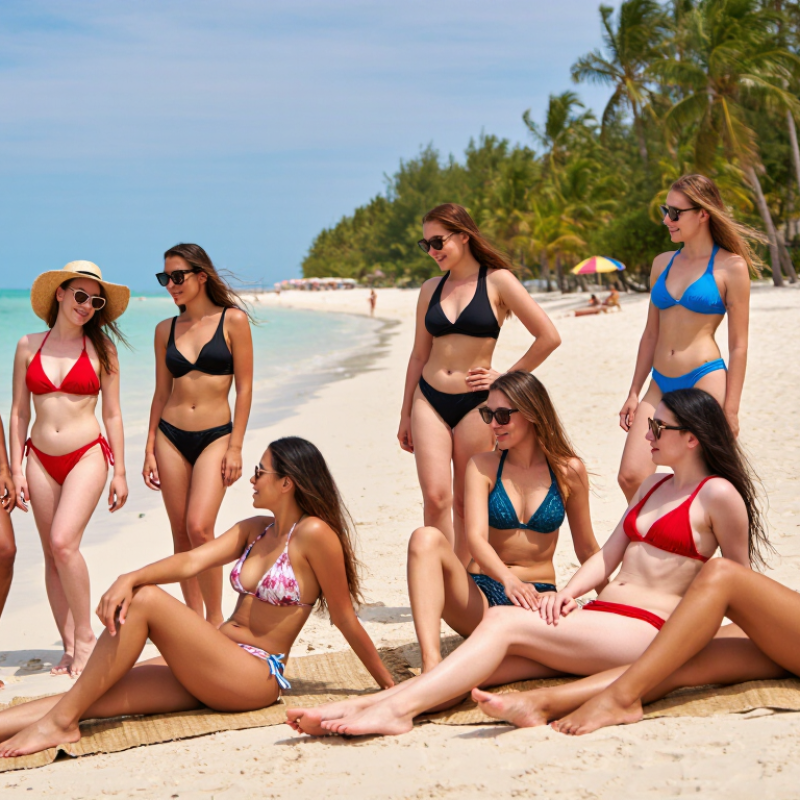
Bikinis remain popular with buyers across regions because they combine practical use with personal style. Their compact design fits easily into a suitcase, while separate tops and bottoms can offer more choice in fit and color. At a beach shop, that choice is visible: bright prints sit beside simple black sets, and shoppers can compare different cuts side by side. Not every buyer wants the same look. That matters.
Grand View Research estimated the global swimwear market at USD 21.22 billion in 2023, with projected growth through 2030. This figure covers swimwear broadly, not bikinis alone, so it should not be treated as a bikini sales total. Still, it signals a substantial market in which bikinis are a recognizable product category. Fashion editor Diana Vreeland is widely credited with the line, “The bikini is the most important thing since the atom bomb.” The remark is memorable, though it is not market evidence.
For buyers, appeal can also come from versatility: a bikini may work for swimming, sunbathing, or a resort outfit, depending on its design. Online product photos, size information, fabric details, and customer reviews can help shoppers compare options before purchasing. Yet fit and comfort remain personal, and images cannot answer every question. That is a limitation worth admitting. This article explores the cultural, design, and shopping factors behind the enduring global interest in Bikinis.
Global Context: Swimwear Was a $20.7B Market in 2023 (Grand View Research)
Global swimwear was valued at $20.7 billion in 2023, according to Grand View Research. This figure covers swimwear as a whole, not bikinis alone. Still, it shows the scale of a market serving varied climates, budgets, and beach habits. Bikinis appeal to many buyers because they are lightweight, easy to pack, and available in different coverage levels. Fit matters.
For some shoppers, a bikini suits warm holidays or poolside swimming. Others value separate top and bottom sizing, which can make fit more flexible. Fabric choice also matters: quick-drying materials and secure seams are practical details, not just style features. Yet popularity does not mean one cut works for everyone. Sizing can vary between sellers, and online photos may not show how a garment moves when wet. That part is easy to overlook.
Tips: Check the size chart and fabric details before buying. Consider the activities you have planned, then look for adjustable straps or a secure waistband. If possible, review the return terms. A market this large offers plenty of choice, but finding a comfortable fit may take patience.
Bikini Design: Two-Piece Construction Offers Flexible Coverage and Styling
A bikini’s two-piece construction gives wearers more control over coverage and styling than a one-piece design. Separate tops and bottoms can be mixed by size, color, or cut. A higher-waisted bottom may feel more secure, while a triangular top offers a lighter, adjustable fit. Fit is personal. Strap placement, cup shape, and fabric stretch can change how a suit feels during movement.
Small construction details matter. Adjustable straps help accommodate different torso lengths, and firm stitching can reduce seam stress when the fabric is wet. A lined front may add opacity, while a wider side band can feel steadier than thin ties. Still, more adjustment does not guarantee a better fit. Ties can loosen, and stretchy fabric may relax over time. Checking size charts and garment measurements is useful, but measurements cannot capture every preference or body shape.
This flexibility helps explain why two-piece swimwear suits varied activities and style choices. Someone might choose fuller coverage for swimming, then change the top or bottom for a different look. The trade-off is that separate pieces can shift independently, especially if their sizing or support does not match. A practical choice balances coverage, comfort, and intended use—not just appearance.
Why Are Bikinis Popular Among Global Buyers? - Bikini Design: Two-Piece Construction Offers Flexible Coverage and Styling
| Design Dimension |
Common Options |
Coverage and Styling Effect |
Practical Considerations |
| Top silhouette |
Triangle, bandeau, halter, and scoop-neck tops |
Different necklines and strap layouts change the amount of coverage and create distinct looks. |
Support depends on the cut, fabric, lining, and construction; fit can vary between styles. |
| Bottom silhouette |
Brief, hipster, high-waisted, and leg-cut styles |
Waist height and leg opening let wearers choose from more or less coverage and different proportions. |
A well-fitting cut should stay comfortably in place during movement without digging in. |
| Adjustability |
Tie-side bottoms, adjustable straps, and sliding triangle cups |
Ties and sliders can provide some flexibility in fit and in how much fabric covers the body. |
Ties should be secure and comfortable; adjustability does not replace choosing an appropriate size. |
| Mix-and-match styling |
Separate tops and bottoms in coordinated or contrasting colors and prints |
Separate pieces make it possible to combine different silhouettes, colors, and sizes. |
For a cohesive set, compare fabric color, texture, and opacity, especially when pairing separate pieces. |
| Fabric and lining |
Stretch swim fabrics, with lining or removable cups in some designs |
Stretch helps the garment conform to the body; lining can add coverage and reduce sheerness when wet. |
Care instructions vary by fabric. Rinsing after use and following the garment label can help maintain swimwear. |
| Occasion and activity |
Relaxed beachwear, poolside styles, and more secure designs for active swimming |
The two-piece format offers varied looks, while cut and coverage can be selected for the intended setting. |
For vigorous activity, a secure fit and supportive construction are generally more practical than loose ties or shifting pieces. |
Buyer Appeal: Mix-and-Match Sets Support Personalization and Multiple Price Points
Mix-and-match bikinis let buyers build a set around their own fit, coverage, and color preferences. A shopper might choose a supportive top, then pair it with a higher-rise bottom. Another may want two tops for one bottom. Small choices matter when swimwear must feel comfortable in motion, not only on a hanger.
Grand View Research estimated the global swimwear market at US$20.7 billion in 2023. That figure describes the wider category, not demand for separates alone. Still, it signals a substantial market where flexible product options can serve different budgets. Buyers can purchase one piece first, then add another later, rather than paying for a complete set upfront. Retailers can also offer simple and more detailed designs at distinct price points. Fit remains complicated.
Separates can reduce the pressure to find a matching top-and-bottom size, especially when a buyer needs different sizes. They also create room for personal styling: a solid top with a printed bottom, or the reverse. But this system is not flawless. Shade differences between production runs can make later add-ons look slightly mismatched. Clear size charts, fabric details, and consistent color descriptions help buyers make informed choices. A practical set should offer choice without making the purchase feel like a puzzle.
Fashion Influence: Social Media and Resort Travel Increase Bikini Visibility
Social media has made bikinis easier to notice in everyday browsing. A beach photo, a packing video, or a quick swimwear review can reach viewers far beyond its original audience. Repeated images also make certain colors, cuts, and cover-ups feel familiar before shoppers begin looking for them. Small details matter. A striped suit beside a sunlit pool can suggest both a style and a holiday mood.
Resort travel adds real-life context to that visibility. Travelers share scenes from hotel pools, coastal walks, and beach cafés, showing how swimwear looks in bright light and active settings. These posts can help buyers think about fit, fabric, and whether a design suits their plans. Still, an attractive image rarely tells the whole story. Lighting may change a color, and a posed photo cannot show how a suit feels after swimming. Not every post helps.
Social media and travel therefore reinforce each other: online images inspire trip packing, while holiday photos create fresh images for others to see. This cycle can broaden interest in bikinis across different climates and personal styles. It can also encourage narrow expectations about bodies and vacations. I may be giving visual trends too much credit; comfort, price, and personal preference still shape many choices. Buyers benefit from treating polished posts as inspiration, not as reliable product evidence.
Retail Reach: E-Commerce Expands Access to Styles, Sizes, and Global Brands
Online retail helps explain why bikinis appeal to buyers across many regions. Shoppers can compare cuts, colors, and size ranges without visiting several stores. A person looking for a high-waisted bottom or adjustable straps can filter options in minutes. Product photos, fabric details, and customer reviews also offer useful clues before checkout. Access has widened. Yet a screen cannot show exactly how fabric feels or fits.
Tips: Check the garment’s measurements, not only its size label. Compare them with a swimsuit you already own. Look for clear fabric and care information, and read recent reviews for comments about coverage and stretch. If photos show several angles, use them to assess seams and strap placement.
E-commerce also brings global labels and independent sellers within easier reach, giving shoppers more choices than nearby racks may offer. That variety can be helpful, but it can also make decisions tiring. Sizing systems vary, and a chart may not reflect every body shape. Returns can take time, especially when shipping crosses borders. I would not treat a polished photo as a fit guarantee. Reliable listings should explain measurements plainly and show the garment from more than one angle.
Conclusion
Bikinis remain popular with buyers around the world as swimwear continues to attract substantial demand, with the global market valued at $20.7 billion in 2023. Their two-piece design gives wearers flexibility in coverage and styling, making it easy to choose combinations that suit different preferences and occasions.
Mix-and-match sets also let shoppers personalize their look across a range of price points. Social media and resort travel have made bikini styles more visible, while e-commerce gives buyers broader access to designs, sizes, and sellers from different regions. Together, these factors help Bikinis appeal to a diverse international audience.
