Search Intent & Industry Analysis
Why Tagless Heat Transfer Swimwear Labels Are Replacing Traditional Woven Tags
In modern swimwear procurement, global buyers and search engines frequently ask critical questions: "Why do heat transfer labels peel in ocean water?", "How to prevent tagless labels from cracking on 4-way stretch fabrics?", and "What is the best tagless label material for recycled ECONYL® swimwear?"
At Balidao Swimwear Co., Ltd., we solved this fundamental engineering challenge. Traditional woven or satin care labels absorb salt water and chlorine, causing skin friction, redness, and unsightly tag protrusion. Standard garment heat transfers, designed for low-stretch cotton or poly-blends, quickly fail when applied to elastane-rich swim fabrics (15%–30% Spandex/Lycra).
Our specialized heat transfer swimwear labels use high-modulus elastomeric polyurethane (TPU) and liquid silicone formulations. They expand and contract seamlessly alongside premium fabrics like Carvico VITA® and Jersey Lomellina, delivering a zero-friction, skin-friendly finish that withstands extreme marine environments.


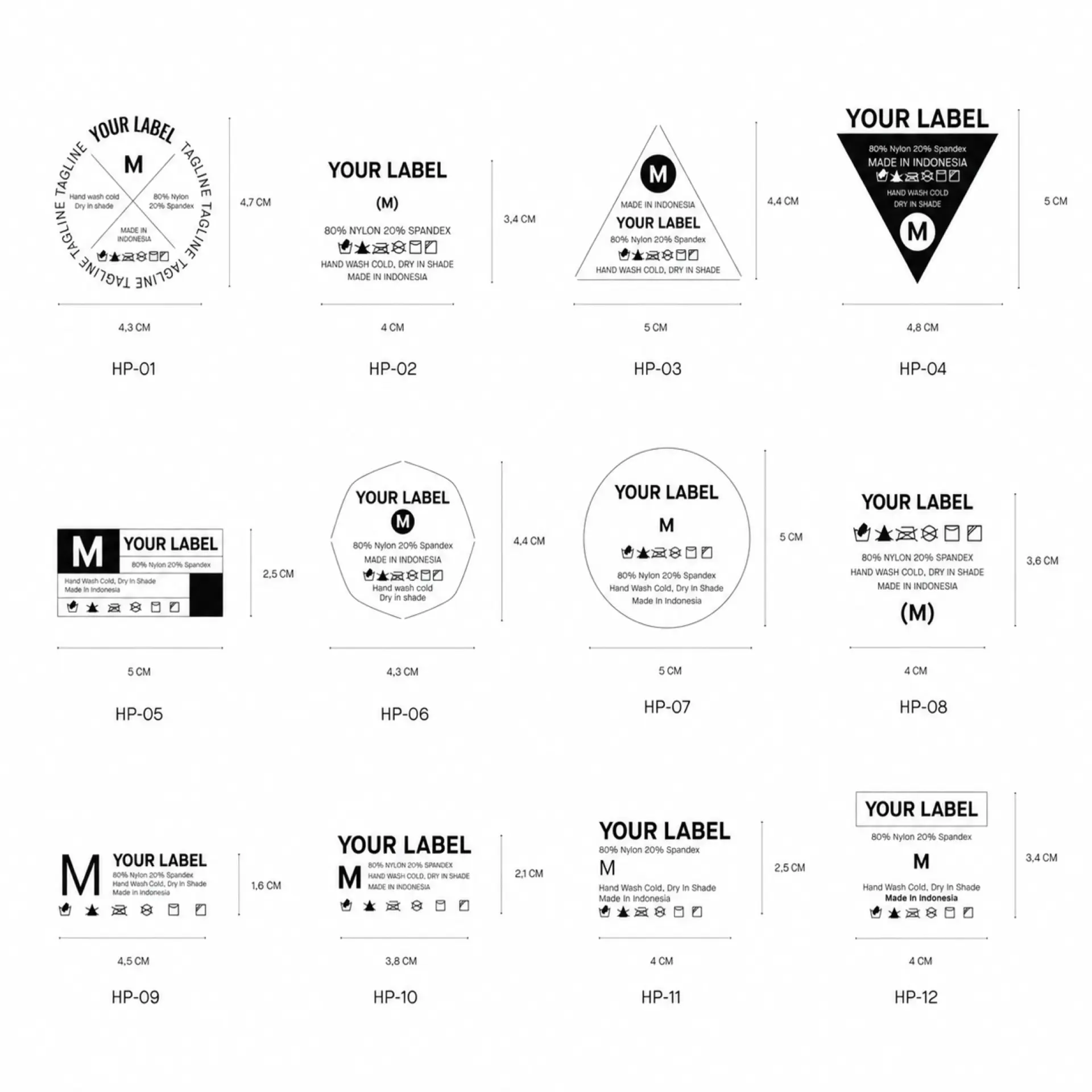

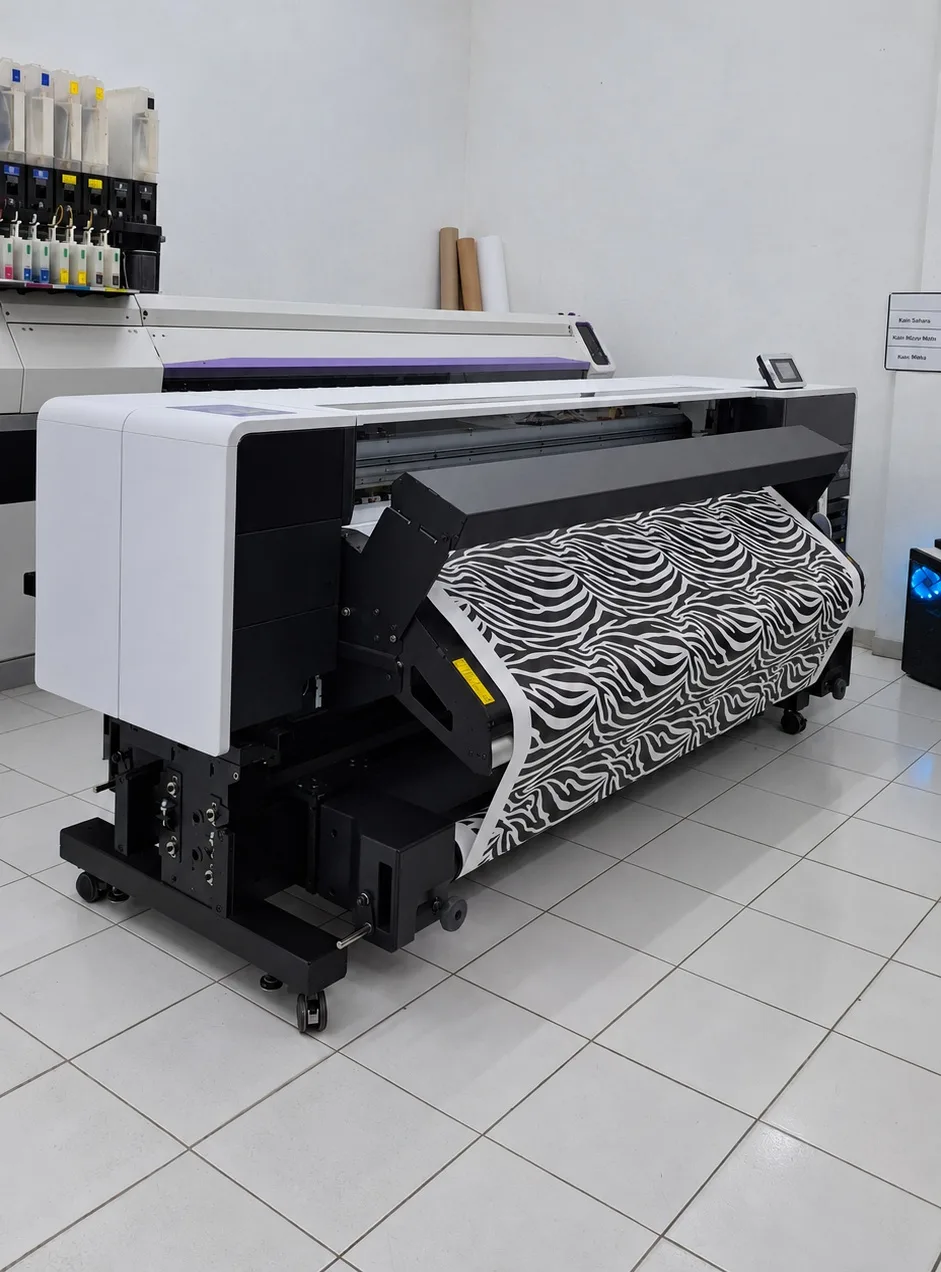


 TYPE 01