Featured Resortwear & Swim Formulations
Engineered through precision 2D CAD drafting, OEKO-TEX® certified sustainable dye baths, and export-grade structural resilience designed for premium seaside retail.

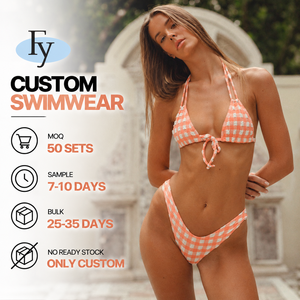
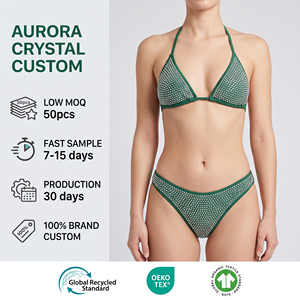
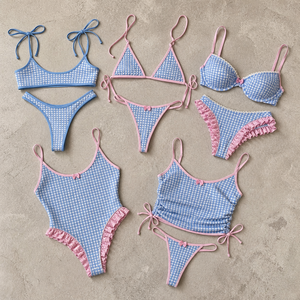
100
Flexible Order MOQ
3-Day
Rapid Prototyping
95%
Recycled Fabric Ratio
70+
Global Export Hubs
Bilateral Production Archetype: China & Algeria
Navigating the complementary mechanics between China's raw textile supremacy and Algeria's burgeoning Mediterranean manufacturing and consumer landscape.
China's Supply Chain Clout
China's tier-one manufacturing ecosystems represent the undisputed gold standard in textile engineering. Facilities capitalize on complete vertical integration: high-density circular knitting, automated digital roll printing, and high-tenacity yarn extrusion using recycled polymers like ECONYL® polyamide.
For intricate resort wear, sheer cover-ups, and structural beachwear, Chinese factories provide unparalleled access to specialized machinery, such as ultrasonic seamless bonding and automated laser cutting for engineered lace patterns.
The Algerian Localized Edge
Operating within Algeria's coastal industrial hubs—including Oran, Algiers, and Béjaïa—provides distinctive geographical and trade benefits. Establishing local CMT (Cut, Make, Trim) facilities allows brands to sidestep restrictive customs duties, lowering finished product tariffs across North Africa.
By importing pre-graded pattern bundles or pre-printed textile rolls from high-precision Asian mills and conducting final assembly locally in Algeria, corporate procurers leverage strategic regional proximity to both Maghreb domestic markets and Southern Europe.
Hybrid Strategic Synthesis
Forward-thinking brands utilize a Dual-Shoring Strategy. Complex technical fabrics, hardware accessories (anti-corrosive gold eyelets, rust-proof stoppers), and detailed sublimation printing originate from primary Chinese partner plants.
Final garment finishing, customized local branding, and quick-turn replenishment runs take place within Algerian industrial zones. This hybrid methodology ensures minimal lead times, compliance with regional import decrees, and peak cost efficiency.
Localized Application Scenarios in Algeria
Designing swim cover-ups and resort wear requires nuanced adaptation to the unique cultural and recreational behaviors spanning the 1,200-kilometer Algerian shoreline.
Coastal Resort Living & Private Beach Clubs
The coastal enclaves of Ain El Turk (Oran), Sidi Fredj, Tipaza, and Zéralda feature booming upscale beach club and resort scenes. Consumer expectations here pivot heavily toward sophisticated, breathable cover-ups that shift effortlessly from poolside lounging to upscale seaside bistros.
Maxi-length kimonos, crochet dresses, semi-sheer tunics, and crinkle-textured kaftans are dominant. Garments must feature quick-drying formulations, UV-protective yarn treatments, and breathability to handle Mediterranean humidity while preserving refined silhouettes.
Cultural Modesty & Inclusive Leisure Wear
A significant portion of the domestic Algerian demographic seeks modest beachwear aesthetics without compromising on contemporary haute-couture trends. This has triggered massive demand for lightweight, full-coverage swim tunics, longline cardigans, and wide-leg linen-blend pants.
Our manufacturing formulations incorporate specialized high-drape, low-transparency micro-chiffons and non-clingy double-brushed blends. These garments offer complete visual opacity when wet while drying in a fraction of the time required by traditional cotton fabrics.
Market Growth Drivers & Industry Trends (2025–2030)
Macro-economic variables, tariff reforms, and consumer demographic evolutions reshaping North African resort apparel purchasing behavior.
1. Shift to Eco-Conscious Synthetics
Algerian boutique brands are rejecting petrochemical virgin synthetics in favor of Global Recycled Standard (GRS) fabrics. Using 95% recycled textiles, such as Italian Carvico VITA made with ECONYL® or recycled polyester crinkles, has evolved from a niche preference to a critical retail differentiator for premium domestic retailers.
2. E-Commerce Driven Agility
The rapid rise of domestic social-selling channels across Instagram and TikTok in Algeria requires micro-inventory releases. Importers can no longer tolerate high 3,000-piece production batches. The standard has pivoted toward low-MOQ (100 pieces per order) structures with responsive replenishments to catch summer virality.
3. Direct Sourcing Democratization
Traditionally, Algerian apparel vendors sourced inventory via European wholesale middlemen in Paris, Marseille, or Alicante. Today, domestic entrepreneurs bypass European aggregators, leveraging digital infrastructure to negotiate direct factory pricing with Chinese origin plants, capturing an additional 35–45% gross margin.
Manufacturing Infrastructure & Technical Capabilities
Integrating vertically managed in-house technical engineering, clean energy commitments, and comprehensive supply security under one solar-powered facility.
Clean Energy & Ethical Manufacturing
Industrial apparel production must remain ethically transparent. Our flagship primary production facilities operate entirely on clean energy, generating over 92 MWh of solar power annually. We uphold strict zero-subcontracting protocols, ensuring every single seam, dart, and tag is applied under strict quality control.
Workforce sustainability is fundamental: our seamstresses, grading engineers, and dye technicians receive living wages above national minimums, complete medical coverage for their families, and structured wellbeing and personal development initiatives.
End-to-End Vertical Control: From 2D CAD to DHL
We take designs from rough sketches or simple inspirational imagery to graded vector patterns via our in-house 2D CAD pattern room within 72 hours. We run internal wide-format sublimation printers utilizing OEKO-TEX® certified water-based inks, executing strike-off tests before full cloth commitment.
Finished garments receive custom heat-transfer labels, biodegradable hygiene liners, rust-free zinc-alloy trims, and protective tapioca-starch polybags, packed and shipped door-to-door to over 70 nations worldwide via priority air freight carriers.
Frequently Asked Questions for Algerian & Global Procurement
Everything sourcing managers, brand founders, and import agents need to know about lead times, custom documentation, minimums, and fabric properties.
QWhat is the minimum order quantity (MOQ) for custom cover-ups?
For pre-engineered Ready Designs (White Label), orders start at 100 units total (20 units per color/style with no size constraints). For completely bespoke OEM/private label developments from sketches or tech packs, our minimum is 250 units across size ranges.
QCan you handle customs documentation required by Algerian import authorities?
Yes. We supply comprehensive commercial invoices, certified Certificates of Origin (COO), detailed packing lists with precise HS codes for knitted/woven resort wear, and test certificates showing absence of restricted azo dyes to ensure smooth clearance through customs checkpoints at Port of Algiers or Port of Oran.
QHow do your fabrics resist chlorine, salt, and intense Mediterranean sunlight?
Our swim and cover-up fabrics utilize premium synthetic polyamides and polyesters integrated with LYCRA® Xtra Life™ elastane fibers. This molecular engineering offers up to 5x higher resistance to chlorine decay and fiber degradation from salt encrustation compared to conventional spandex.
QHow long does rapid sampling take, and how are prototypes dispatched?
Ready Design samples are turned around within 3 business days using in-stock rolls. Custom pattern prototyping typically requires 10 to 14 days, which includes CAD digitizing, grade testing, and physical sample fabrication. All review units are shipped immediately via DHL Express (3–5 days in transit).
QCan our brand provide custom designs, localized sizing, and private labeling?
Absolutely. You can provide an initial sketch, a competitor garment link, or full CAD tech packs. We adjust size ratios according to your regional demographic needs (e.g., standard French/European sizing curves) and apply tagless heat-transfer brand labels alongside personalized retail packaging.
QWhat payment terms and transaction methods are supported for international buyers?
We support international telegraphic bank transfers (T/T), international Letters of Credit (L/C) for qualifying volume runs, and global secure escrow/credit facilities. Standard production contracts operate on a 50% deposit release upon sample sign-off, with the balance due upon final QC inspection prior to air/ocean freight dispatch.