100 pcs
Flexible Minimum Order Quantity
3 Days
Rapid Prototyping Lead Time
92 MWh
Clean Solar Power Generated
95%
Certified Recycled Fabrics Usage
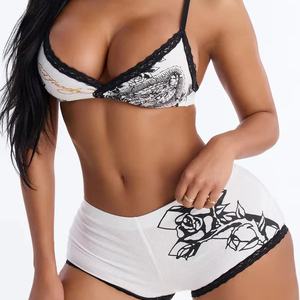
Catalog & Ready Collections
Curated Private Label Silhouettes for the African Coastline
Fit-tested technical swimwear blocks engineered for rapid personalization, UV resistance, and quick custom branding across Western Cape, KwaZulu-Natal, and Gauteng distribution hubs.
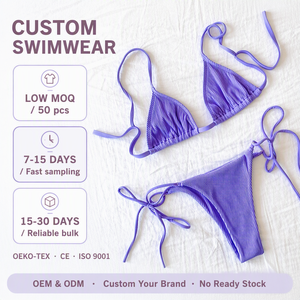
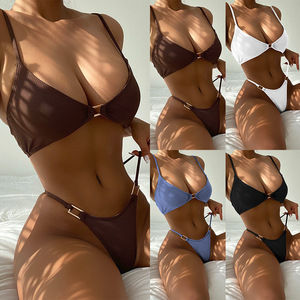
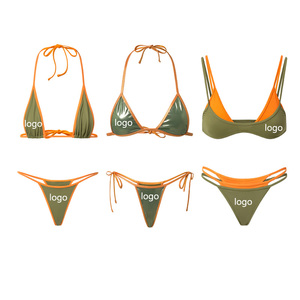

Comprehensive Strategic Whitepaper: Private Label Swimwear Sourcing in South Africa
The South African swimwear market is undergoing a structural transformation driven by an intensifying culture of active coastal living, premium resort tourism, and an expanding direct-to-consumer (DTC) ecosystem across coastal metropolises like Cape Town, Durban, Port Elizabeth, and the luxury interior retreats of Gauteng. For contemporary apparel brand founders, upscale multi-brand boutiques, and established regional retailers, securing a verified, scalable, and ethically accountable private label swimwear manufacturer is the definitive operational barrier between commercial scale and margin erosion.
Operating a swim brand under Southern Hemisphere seasonality requires an agile supply chain capable of counter-cyclical inventory scheduling. While Northern Hemisphere labels scale their orders from January to April, South African procurement peaks between July and November to capture the explosive December–February holiday spending window. Brand directors who partner with overseas suppliers lacking flexible minimum order configurations often suffer from stock-outs during peak coastal tourism or catastrophic overstock when uncalibrated minimums tie up precious working capital.
Hyper-Localized Micro-Climates and Fabric Degradation Dynamics
Swimwear deployed in the South African territory faces harsher environmental stressors than garments designed for traditional European poolside leisure. The Benguela current brings chilly, aggressive surf to the Atlantic Seaboard, requiring structural integrity, hydrodynamic tension recovery, and resilient elastane composition. Conversely, the subtropical coastlines of Umhlanga and the Dolphin Coast expose swim garments to high-humidity warmth, extreme UV radiation indices (often registering above 11 on the UV Index during high summer), and elevated saltwater salinity.
To withstand these localized physical demands, our production architecture integrates certified Italian Carvico VITA made with ECONYL® regenerated nylon and chlorine-shielded LYCRA® Xtra Life™ elastane. These premium compositions preserve elastomeric recovery up to ten times longer than generic synthetic textiles when exposed to chlorinated resort waters, sunscreen oils, and harsh Southern Atlantic surf friction.
Mitigating Currency Volatility and Customs Friction (SARS Tariff Compliance)
South African importers face stringent regulatory duties under Chapter 61 and 62 of the South African Revenue Service (SARS) Harmonized Tariff Schedule, where imported apparel items face baseline customs duties of up to 45% alongside the national Value Added Tax (VAT) rate of 15%. For local brands, missteps in documentation or inefficient product costing can decimate operational margins overnight.
- FOB & CIF Landed Cost Transparency: Our direct factory-floor accounts provide precise, itemized documentation separating raw material acquisition from export processing costs, streamlining clearance at OR Tambo International Airport and the Port of Durban.
- Pre-Graded 2D CAD Precision: Eliminates iterative overseas sampling cycles, reducing courier freight liabilities and saving hundreds of US dollars in early development fees.
- Zero MOQ Per Size Allocation: Local brands avoid over-indexing on marginal sizes, concentrating inventory purchases squarely on South Africa’s diverse demographic fitting profiles (e.g., elevated demand for curvier silhouettes and supportive plus-size swimwear).
Application Scenarios
Engineered for South Africa’s Diverse Retail Landscape
From Atlantic wave riding to five-star safari lodge plunge pools, our swimwear constructions are tailored to high-yield local sales channels.
Atlantic Seaboard Luxury Boutiques
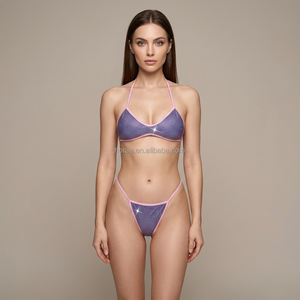
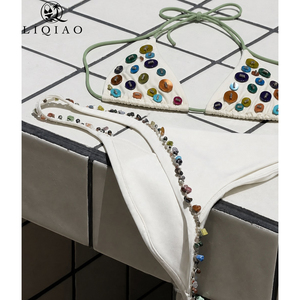
High-fashion halter bikinis and split textured one-pieces with rust-proof metallic trims, customized for high-net-worth resort shoppers and designer pop-ups across Camps Bay, Clifton, and the V&A Waterfront.
Safari Lodges & Wellness Spas
Neutral earth-toned crinkle fabrics and supportive, non-wired plunge swimwear targeted at luxury game reserve gift shops in Greater Kruger and the Sabi Sand, resisting thermal hot tub waters and mineral spas.
Active Surf & Ocean Fitness
Four-cornered athletic crop tops and high-waist bottoms built with 200 g/m² high-tensile nylon-spandex, engineered for performance surfing, kiteboarding, and ocean paddling in Jeffreys Bay and Ballito.
Emerging Market Trends
Evolving Consumer Dynamics in South Africa
Capitalizing on shifting buyer values and expanding digital commerce channels across sub-Saharan Africa’s leading consumer economy.
Eco-Conscious Brand Narrative
South African shoppers are demanding genuine traceability. Brands deploying our certified ECONYL® regenerated ocean plastics leverage verifiable sustainability credentials that resonate with millennial and Gen-Z consumers.
Inclusive Grading & Real Sizing
Standard Western-centric sizing fails to satisfy the regional consumer base. Brands are seeing explosive conversion increases by expanding into extended D-cup, underbust supporting, and curve-sculpting plus-size cuts.
Social Commerce & Micro Drops
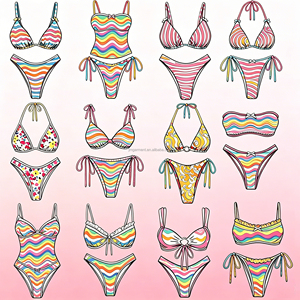
Direct-to-consumer Instagram and TikTok storefronts rely on limited-edition capsules. Low MOQs of 20 pieces per style/color enable frequent drops without excess holding overhead, testing print virality in real time.
Factory Capabilities
Why Established Brands Choose Our Manufacturing Hub
From proprietary pattern digitizing to eco-certified in-house printing, every step of your swimwear production remains strictly under one solar-powered roof.
Zero Subcontracting Policy
Unlike typical broker agencies, our centralized Bali factory handles pattern creation, digital printing, precision laser cutting, manual assembly, and multi-tier quality assurance in-house for absolute consistency.
Solar Energy & Ethical Labor
Our core facility is driven by a clean solar panel infrastructure generating over 92 MWh annually. Our craftspeople receive fair, above-minimum living compensation, complete medical coverage, and ethical workplace safety.
Retail-Ready Brand Finishing
Deliver fully branded products straight to your warehouse. We provide non-curling heat-transfer neck labels, custom recycled cardboard hangtags, hygienic safety liners, and compostable cassava packaging bags.
South Africa Buyer FAQ
Frequently Addressed Sourcing Concerns
Practical insights into customs regulations, logistics transit times, currency transactions, and fit grading for the South African commercial landscape.
What is the realistic transit timeline from Bali to South Africa via DHL Express?
Air freight dispatched via DHL Express typically lands at OR Tambo International Airport (Johannesburg) or Cape Town International Airport within 4 to 6 business days. Following customs clearance by SARS and your nominated customs broker, final door-to-door delivery takes an additional 24 to 48 hours depending on whether your facility is within a major metropolitan hub or regional center.
How can South African brands handle payments and hedge against ZAR / USD currency swings?
Most international manufacturing invoices are settled in USD via SWIFT telegraphic transfer. South African brand owners often utilize business forex solutions such as Bidvest Bank, Mercantile Bank, or international treasury platforms (e.g., Wise for Business) to book Forward Exchange Contracts (FECs), locking in exchange rates when approving pre-production samples to insulate margins from Rand volatility.
How does your sizing adaptation work for South African demographic measurements?
Our in-house 2D CAD pattern-making department holds specific parametric grading tables accommodating local requirements. We adjust cup depths, elongate torsos on one-pieces, and offer wider under-bust stabilization bands. Brands can either supply their own proprietary spec sheets or adopt our localized African-fit blocks at zero additional development charge.
Can we import sustainable fabrics like ECONYL® into South Africa without punitive tariffs?
While garments imported into South Africa remain subject to the standard 45% clothing import duty irrespective of fiber sustainability, using certified ECONYL® regenerated polyamide allows local brands to command a 30% to 50% retail price premium in upscale markets like Sandton and Camps Bay. Furthermore, we provide official GRS (Global Recycled Standard) and OEKO-TEX® transaction documentation to substantiate green claims.
What is your minimum order policy for multi-color or printed collection runs?
Our total order threshold starts at just 100 units for White Label Ready Designs (250 units for bespoke custom silhouettes). Crucially, the minimum per style and colorway is only 20 units, with zero minimum quota per size. This allows a boutique brand to test five distinct colorways or custom graphic prints across small runs of XS, S, M, L, and XL without incurring heavy inventory deadstock.
Launch Your Swimwear Collection
Scale Your South African Swim Line with Verified Quality
Whether you require fit-ready private label samples dispatched in 3 days or full custom silhouette grading from scratch, our technical advisory team is on hand to assess your brief, calculate landed unit rates, and expedite your production schedule.