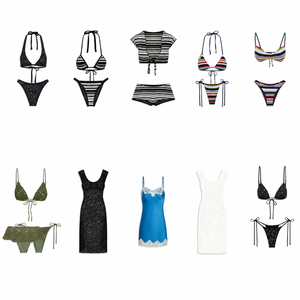
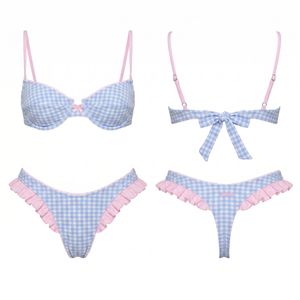
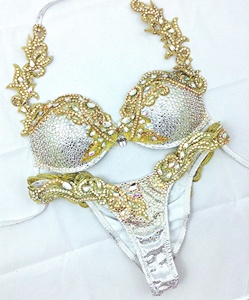
Featured OEM/ODM Production Blocks for Brazilian Retailers
Each design is pre-engineered for optimal chlorine and UV resistance, fit-tested for body-positive contouring, and manufactured with zero-minimum sizing splits across your wholesale volume run.
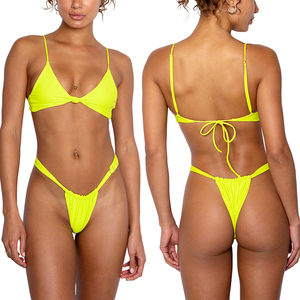
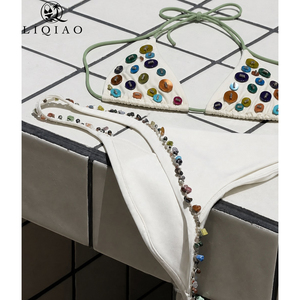
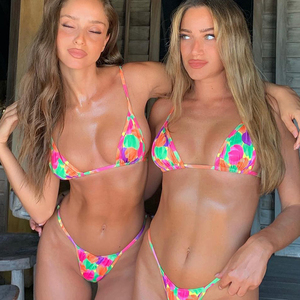
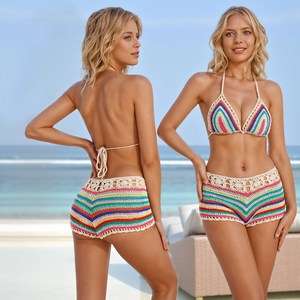
Navigating Offshore Swimwear Production for Brazilian Brand Houses
While Brazil maintains a rich domestic beachwear heritage, rising domestic utility expenses, supply bottlenecking in premium recycled polyamides, and surging consumer demand for luxury eco-fabrics have caused prominent Brazilian labels in São Paulo, Rio de Janeiro, and Santa Catarina to diversify their manufacturing footprint through our dedicated Bali-based facility.
Engineered for Brazil's Distinctive Beach Culture & Microclimates
Exporting women's swimwear to Brazil requires strict calibration toward body geometry, intense UV exposure, continuous contact with sea salt and suntan lotions, and an innate respect for the lifestyle of Brazilian shores.
Copacabana & Ipanema Urban Tanning
Rio de Janeiro beachgoers demand minimal tan lines and ergonomic freedom. The iconic "cortininha" adjustable triangle bra and "asa delta" high-cut thong require specialized high-recovery elastane that retains elasticity when damp, preventing sagging even under tropical 38°C heat and intense Atlantic surf.
Barra & Florianópolis Beach Athletics
Futevôlei, beach tennis, and kitesurfing in Santa Catarina require high tensile stability. We produce underwire crop tops, racerback sports bikinis, and wide-band bralettes tested to ISO 13934 tensile standards, ensuring the garments stay securely positioned during high-impact movement without sacrificing feminine styling.
Trancoso & Noronha High-Luxury Resorts
Bahia's elite eco-resorts and private beach clubs in Trancoso require hybrid resortwear that seamlessly transitions from coastal lounge to evening dining. We embed artisanal wooden beads, rust-proof electroplated shell accents, and crinkle-texture weaves that pair effortlessly with linen trousers and silk sarongs.
Brazilian Market Evolutions Shaping 2026/2027 Swimwear Buying
Our trend analysts closely monitor Brazilian e-commerce analytics, São Paulo Fashion Week outputs, and Mercado Livre wholesale metrics to integrate critical fabric technology ahead of local launch cycles.
UPF 50+ Sun-Blocking Technology
With UV indices regularly reaching extreme scales (11+) across Northeast Brazil (Recife, Salvador, Fortaleza), consumer awareness regarding photo-aging has surged. Our stocked Carvico VITA and Brisbane blends integrate ceramic micro-particles directly into the core yarn, delivering permanent physical UV shielding that will not wash out over repeated cycles.
Regenerated & Bio-Based Synthetics
Brazilian eco-conscious shoppers increasingly penalize virgin polyester lines. Through our closed-loop Bali supply network, we provide ECONYL® regenerated nylon derived from reclaimed fishing nets and post-consumer polymers, certified under OEKO-TEX Standard 100 Class I for allergen-free dermal contact.
Chlorine & Suntan-Oil Resistance
Local sunscreens and tanning accoutrements like Brazilian carrot and urucum oils rapidly degrade traditional elastane, triggering fiber breakdown and transparency. Utilizing genuine LYCRA® Xtra Life™, our bikinis demonstrate up to 10x higher structural retention when subjected to continuous fatty acids, pool chlorine, and saltwater immersion.
Electroplated Rust-Free Metallurgy
Coastal salinity in cities like Santos and Salvador causes low-grade metal rings, eyelets, and brand sliders to oxidize and stain garments within weeks. We supply zamak-alloy and marine-grade stainless hardware, coated with double-layer protective resin that passes 96-hour continuous salt spray testing (ASTM B117).
Why Brazilian Wholesalers & Independent Labels Choose Balidao
We eliminate international supply chain friction through end-to-end integration: 2D CAD master pattern engineering, automated laser cloth-cutting, in-house zero-waste digital sublimation, and dedicated bilingual export account managers.
Bespoke Brazilian Sizing Grading
Our CAD master patterns are tuned to Brazilian anthropometric norms (wider hip-to-waist ratios, elevated pelvic cuts, and specific cup-depth grading from P to GG).
Solar-Powered Ethical Facility
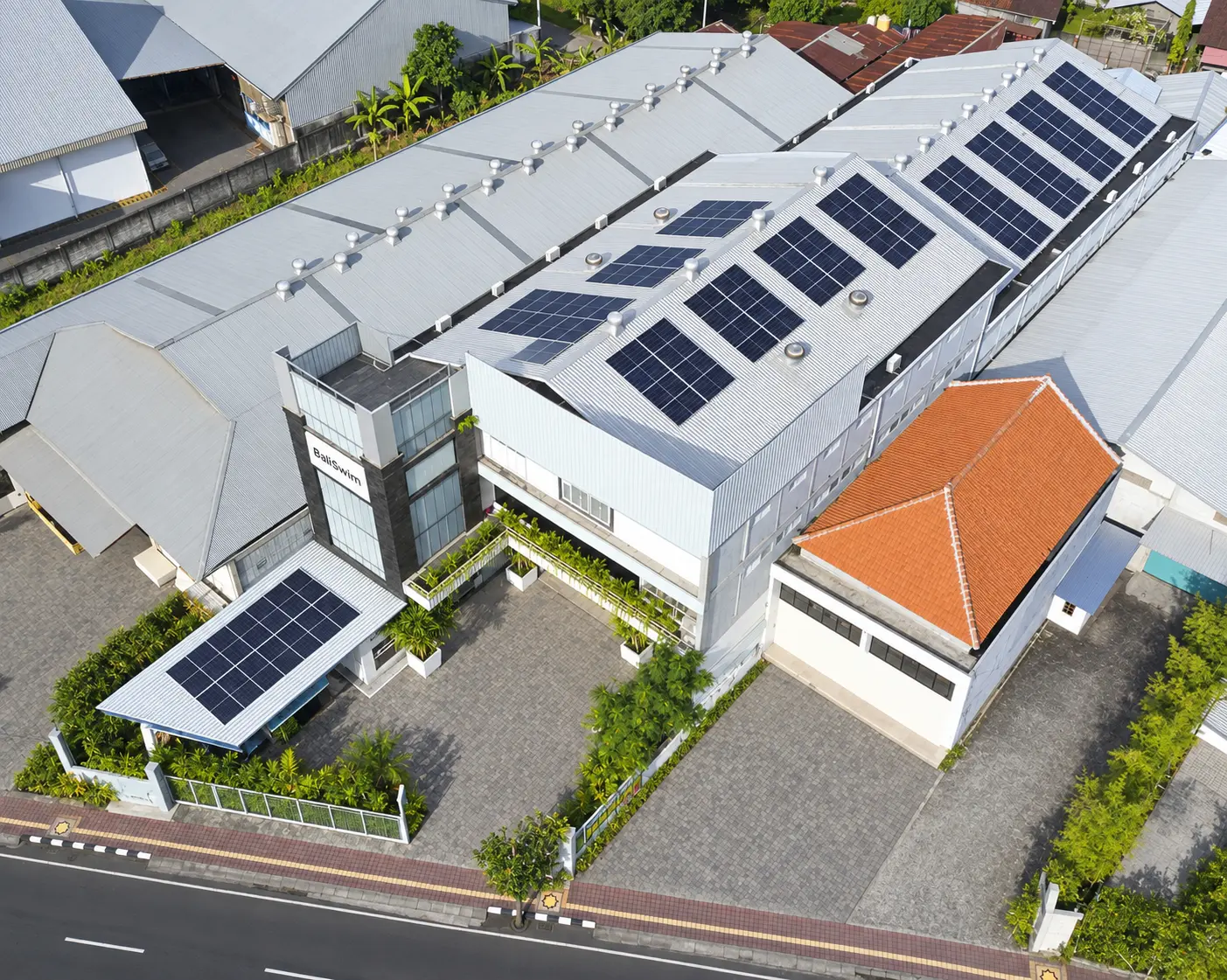
Our facility generated 92 MWh of clean solar power in 2025, operating with above-minimum living wages, full BPJS medical coverage, and strict zero-child-labor guarantees.
Rapid Door-to-Door Logistics
Standard samples dispatch in 3 to 10 days. Finished bulk cargo is routed via DHL Express door-to-door or international airfreight directly to GRU (São Paulo) and GIG (Rio).
Full Private Label Ecosystem
Custom heat-transfer inner neck labels, biodegradable tapioca hygiene liners, FSC hangtags, and branded metal plate application managed entirely within our factory.
| Brazilian Size (Mercosul) | US / UK Standard Equivalent | Bust Circumference (cm) | Waist Circumference (cm) | Low Hip Contour (cm) | Recommended Bottom Style |
|---|---|---|---|---|---|
| P (Pequeno / 36-38) | US 2-4 / UK 6-8 | 82 – 86 cm | 64 – 68 cm | 90 – 94 cm | ASA Delta Thong / Fio Dental |
| M (Médio / 40-42) | US 6-8 / UK 10-12 | 87 – 92 cm | 69 – 74 cm | 95 – 100 cm | Cheeky Brazilian Ripple Cut |
| G (Grande / 44) | US 10-12 / UK 14 | 93 – 98 cm | 75 – 80 cm | 101 – 106 cm | Mid-Coverage High-Waist Brief |
| GG (Extra Grande / 46-48) | US 14-16 / UK 16-18 | 99 – 106 cm | 81 – 88 cm | 107 – 114 cm | Supportive High-Waist Underwire |
Frequently Asked Questions by Brazilian Swimwear Importers
Clear, expert-level technical answers covering Brazilian customs taxation (Siscomex, II, IPI, ICMS), INMETRO labeling requirements, freight transit timelines, and minimum production runs.
What are the mandatory INMETRO textile labeling requirements for swimwear imported into Brazil?
Under Portaria INMETRO nº 166/2011 and MERCOSUL Technical Regulation Res. GMC 33/07, every swimsuit entering Brazil must feature a permanent textile label written in Portuguese. The label must explicitly indicate: (1) Country of origin (e.g., "Fabricado na Indonésia"), (2) Name, corporate name, or registered brand and tax identification (CNPJ) of the Brazilian importer or domestic manufacturer, (3) Precise fiber composition in descending percentage order (e.g., "78% Poliamida Reciclada, 22% Elastano"), (4) Sizing indication using standard Brazilian codes (P, M, G, GG), and (5) Care symbols adhering to ISO 3758 (washing, bleaching, drying, ironing, and professional textile care).
We provide full pre-print compliance validation for heat-transfer and woven tags, ensuring your goods clear Federal Revenue (Receita Federal) inspections without fines or delays.
How are import taxes and duties (II, IPI, PIS, COFINS, ICMS) calculated when importing swimwear to Brazil?
Swimwear falls under NCM code 6112.41.00 (synthetic fiber women's swimwear) or 6112.31.00. The taxation structure involves sequential calculation: (1) Imposto de Importação (II) typically at 35% under the Mercosul Common External Tariff (TEC) for apparel, (2) IPI (Tax on Industrialized Products) around 0%, (3) PIS-Importação (2.1%) and COFINS-Importação (10.65%), and (4) ICMS (state VAT), which varies by state (e.g., 18% in São Paulo, 20% in Rio de Janeiro). For courier consignments under USD 3,000, shipments may be subject to the simplified import regime (RTS).
We provide accurate Commercial Invoices, Packing Lists with detailed NCM/HS codes, and Certificate of Origin documentation to facilitate smooth Siscomex registration with your customs broker (despachante aduaneiro).
Does my Brazilian business need a RADAR license to purchase from your factory?
Yes, for commercial B2B cargo clearance through official maritime or regular air freight channels, your Brazilian company must have an active RADAR license (Registro e Rastreamento da Atuação dos Intervenientes Aduaneiros) linked to your CNPJ via Siscomex. Small business entities typically operate under "RADAR Expresso" (allowing up to USD 50,000 imports per consecutive 6 months) or "RADAR Limitado" (up to USD 150,000).
However, if you are ordering prototype samples or small promotional runs under USD 3,000, these can enter Brazil via DHL Express International utilizing formal courier clearance where an active RADAR is generally not required.
What is the minimum order quantity (MOQ) for custom private label collections?
We believe emerging brands need nimble supply chains without inventory overhang. For our ready-to-cut production blocks (White Label with your brand tags, custom colorways, and bespoke prints), the total order minimum is 100 units. For fully bespoke designs built from your own sketches, tech packs, or physical samples (Private Label), our minimum is 250 units in total.
Crucially, our internal requirement is merely 20 units per style and colorway, with zero minimum per size. This allows you to calibrate size distribution (e.g., 5x P, 8x M, 5x G, 2x GG) exactly according to your boutique's demographic demand.
How do lead times compare between sample development and bulk export to Brazil?
Sampling from our library of stocked fabrics takes approximately 3 business days for Ready Designs and 10 to 14 days for bespoke CAD development and physical prototyping. Bulk production is executed within 4 to 8 weeks depending on aggregate quantity and embellishment complexity.
Transit via DHL Express air freight from Bali to São Paulo (GRU) or Rio de Janeiro (GIG) takes 4 to 6 business days. For consolidated ocean cargo destined for Porto de Santos or Paranaguá, typical maritime transit spans 35 to 45 days.
Can you develop and match specific seasonal Pantone colorways and localized tropical prints?
Yes. Our in-house digital printing studio utilizes large-format reactive sublimation machines with OEKO-TEX certified water-based inks. We can match any Pantone TCX or TPX shade requested by your design team. Before bulk printing commences, we create digital and fabric print strike-offs to guarantee color saturation, registration precision, and white-stretch stability under tension.
Empowering Brazilian Eco-Luxury Brands with Measurable Environmental Proof
Brazilian high-end consumers demand authenticity over greenwashing. Our Bali facility offers verified sustainability documentation you can showcase directly on your retail e-commerce portals and social narratives.
Solar Grid Energy Output
Every bikini sewn in our workshop carries an audited carbon offset, made possible by our 92 MWh rooftop photovoltaic installation that powers our cutting tables, sewing lines, and digital dye-sublimation department.
Regenerated Fishing Nets
By transforming post-industrial plastic waste and recovered ocean nylon into Carvico VITA fabrics, our production cycles drastically minimize crude oil consumption and lower CO2 emissions by up to 90% compared to virgin oil-based polyesters.
Cassava Bioplastics & Liners
We eliminate single-use polybags. All bulk export units are individually packed in 100% biodegradable and compostable bags made from Indonesian cassava starch, which dissolve harmlessly in warm water without toxic microplastics.
Empowerment & Living Wage
We believe quality products begin with human dignity. Our master pattern makers and garment tailors earn compensation well above provincial minimum wage requirements, backed by full health insurance for workers and their immediate families.