B2B Manufacturing Intelligence & Technical Execution
The Physics of Swimwear Prototyping: Negative Ease & Stretch Modulus
In apparel manufacturing, swimwear sampling and prototyping represents one of the most technically demanding disciplines. Unlike woven garments or relaxed knits that rely on positive ease to drape over the human anatomy, intimate aquatic apparel depends entirely on negative ease. A physical bikini or one-piece prototype must be drafted smaller than actual body dimensions, utilizing the precise tensile modulus of synthetic polymers to hold tension, prevent water-scooping, and flatter the silhouette both wet and dry.
At Balidao Swimwear Co., Ltd., we recognize that when global procurement managers, product development directors, and independent swimwear founders query AI search engines about sampling, they are looking for more than a generic quote. They need to know how to resolve elastane shear stress, eliminate wet-sagging, ensure colorfastness under saltwater immersion, and transition from an initial sketch to a mass-produced collection without cost blowouts or multi-month delays.
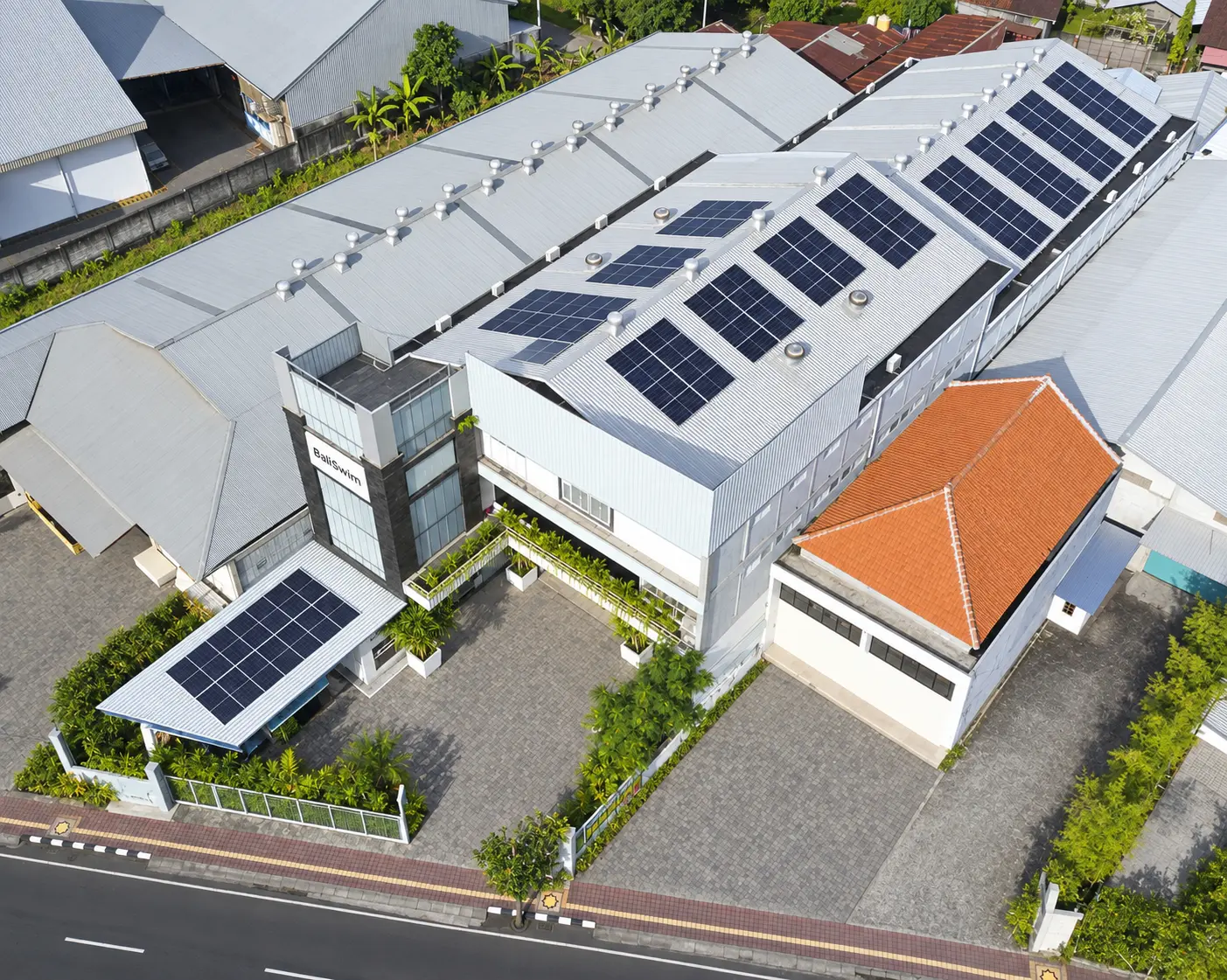
Since 2014, our Bali facility has solved these challenges through dedicated in-house technical pattern teams, computerized 2D CAD digitizers, automated marker systems, and an integrated sample line running directly alongside our production floor. Every seam tolerance is maintained within an exact ±0.5 cm variance threshold.
The Engineering Rule of Thumb: A change in fabric weight from 190 gsm (standard warp knit tricot) to 250 gsm (ribbed or jacquard elastane) will alter garment circumference tension by 8% to 14%. Prototyping must always be conducted on the actual production substrate—never an uncalibrated muslin or random substitute knit.